Background
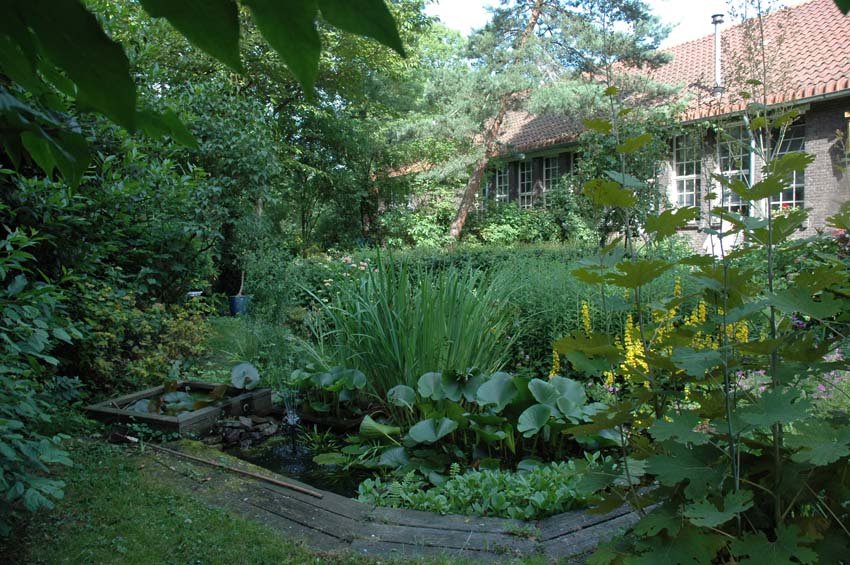
The national monument Quarantine Facility on Heijplaat was built in 1934 and has since served many functions, from refugee shelter to nursing home. From 1979, it evolved into an important workplace and living space for artists. In 2024, this function came to an end; the plan is to develop the site into a hotel and conference center. We are now capturing the rich history of the Quarantine Facility in a book, which will be presented with an exhibition in atelier complex C3 during the Open Monument Days on September 12 and 13, 2026, and continuing into the following weekend during the big Rotterdam studio weekend (GRAW). The official book presentation will be on September 19 at 3 PM.
Publication
The publication QI 44 documents the history and significance of the quarantine site in an accessible way. The book highlights both the artists and their studios as well as the architecture, nature, and the societal role of QI as a creative production site. By combining historical sources and personal stories, a cohesive narrative emerges that contributes to the debate about space for art and culture in the changing city.
Target Audiences
QI 44 targets a broad audience: residents of Rotterdam, art lovers, heritage visitors, policymakers, and developers. The book serves both as a tribute to 44 years of art and culture at the Quarantine site and as an appeal for preserving space for artists in the changing city. By highlighting QI’s significance as a place of creative production, the publication aims to underscore the importance of such spaces for Rotterdam’s cultural identity, a lasting monument in book form.
Contributors
The publication QI 44 is compiled by a multidisciplinary editorial team with strong connections to the Quarantine site: Louike Duran, Maarten van Gent, Marilou Galdermans, Odrada Burghoorn, Shay Morris, Willem Flinterman and Hannah van Tassel. The book is published by nai010 publishers and offers a layered structure where art, history, nature, and architecture come together. Various authors contribute essays on the significance of QI as a breeding ground, artist space, and heritage site, including Siebe Thissen, Fay van der Wall, Wim Meulenkamp, André de Baerdemaker, and Paul Groenendijk. The richly illustrated, bilingual edition (17 x 24 cm, approx. 218 pages) combines historical and contemporary photography, archival material, and personal stories.
Partners:
Rotterdam Centre for Visual Arts,
Droom & Daad,
NAI010 publishers